106/1ST FLOOR, V.P ROAD,
PRARTHANA SAMAJ GIRGAON,
MUMBAI - 400004
022 66362378 / 67436484
+91 9321631821 / 9920148679
jscmetalpurav@gmail.com
ssalloysales@gmail.com
SS Alloy supplies D2 tool steel for punches, blanking dies, shear blades, slitting cutters, forming tools and industrial wear parts that need high wear resistance, edge retention and dimensional stability.
D2 tool steel is a high-carbon, high-chromium cold work grade for tools that cut, punch, blank, form or resist abrasive wear at room or moderate working temperatures. Therefore, tool rooms choose D2 because it offers high wear resistance, good compressive strength and useful dimensional stability after heat treatment.
As a D2 tool steel manufacturer and supplier in India, SS Alloy supplies material for blanking dies, punches, forming tools, shear blades, slitting cutters, thread rolling dies, gauges and wear plates. In addition, buyers request this grade as AISI D2, DIN 1.2379, EN X153CrMoV12 and JIS SKD11.
D2 works best when the main challenge is abrasive wear. Therefore, it is suitable for cold work tooling that must keep its cutting edge or working surface during repeated production runs. As a result, it can support consistent tool performance.
D2 contains high chromium, so some buyers call it a semi-stainless tool steel. However, it is not stainless steel. In addition, it needs proper storage, surface protection and handling to reduce corrosion risk.
If the application involves heat, die casting or forging, compare D2 tool steel with H13 Hot Work Tool Steel. In addition, for plastic injection moulds, mould bases or cavities, compare it with P20 Plastic Mold Steel. For example, this comparison helps match the grade to the working condition.
Manufacturers use D2 tool steel when tooling needs wear resistance and stable performance in cold work applications. Moreover, the grade suits many long-run production tools where edge life matters. Therefore, buyers often specify D2 for repeated cutting and forming operations.
Because of its high carbon and chromium content, D2 offers strong abrasive wear resistance. Therefore, it suits tools exposed to repeated surface wear.
Important for punches, dies, cutters and bladesAs a result of proper heat treatment, D2 helps precision tools hold size during service. Consequently, it can support close-tolerance tooling applications.
Important for gauges and close-tolerance toolingAfter hardening and tempering, D2 can reach high working hardness based on section size and heat treatment route. Therefore, the final hardness should follow the toolmaker's specification.
Important for cutting edges and forming surfacesMoreover, D2 performs well where tools face repeated compressive loading in cold punching, forming or blanking operations. As a result, it is useful for demanding die applications.
Important for blanking dies and forming toolsTherefore, D2 helps cutting and shearing tools keep their working edge during longer production runs. In turn, this can support consistent cutting performance.
Useful for knives, cutters and slitting toolsFirst, tool rooms normally machine D2 in annealed condition. Then, they harden and temper it for use. Finally, the heat treatment route should match the required service hardness.
Suitable for custom-cut and machined tooling stockThe values below show typical reference ranges for D2 tool steel. However, buyers should always verify the final chemical composition, supply condition and hardness through the material test certificate. In addition, the MTC should match the purchase requirement.
| Technical Detail | D2 Reference Data | Buyer Note |
|---|---|---|
| AISI / ASTM | D2 | Common high-carbon, high-chromium cold work tool steel designation |
| DIN / W.Nr. | 1.2379 | Often requested for European standard equivalency |
| EN | X153CrMoV12 / X155CrVMo12-1 | Reference may vary by specification and supplier |
| JIS | SKD11 | Common equivalent in Japanese tool steel references |
| Carbon | 1.40 - 1.60% | Supports high hardness and wear resistance after heat treatment |
| Chromium | 11.00 - 13.00% | Forms hard carbides and improves wear resistance |
| Molybdenum | 0.70 - 1.20% | Supports hardenability and heat treatment response |
| Vanadium | 0.70 - 1.10% | Improves wear resistance and carbide control |
| Manganese | 0.20 - 0.60% | Supports steelmaking and hardenability control |
| Silicon | 0.10 - 0.60% | Common alloy balance element in tool steel specifications |
The correct tool steel depends on working temperature, wear condition, tool size, toughness requirement and heat treatment plan. Therefore, this comparison helps buyers review the main selection factors. In addition, the final grade should match the actual tooling application.
| Requirement | Recommended Grade | Why It Fits | Related Page |
|---|---|---|---|
| Cold blanking, punching, cutting, slitting and forming | D2 | High wear resistance and dimensional stability for cold work tools | Current Page |
| Hot die casting, forging, extrusion and thermal cycling | H13 | Good hot hardness, toughness and thermal fatigue resistance | H13 Hot Work Tool Steel |
| Plastic injection moulds, mould bases, cavities and die holders | P20 | Pre-hardened mould steel with good machinability and toughness | P20 Plastic Mold Steel |
Tool rooms use D2 tool steel where tooling must resist abrasive wear, edge breakdown and repeated cold work loading. Moreover, the grade works well in cutting, blanking, forming and wear-part applications. As a result, it is commonly specified for long-running cold work tooling.
Accurate quotation and supply depend on the grade, size, condition, testing requirement and final application. Therefore, share these details early to avoid delays. In addition, clear specifications help the supply team confirm availability faster.
First, mention whether you need AISI D2, DIN 1.2379, EN X153CrMoV12 or JIS SKD11. Also, share any brand or special requirement shown on the drawing. This helps prevent specification mismatches.
Next, share the required form such as round bar, flat, plate, block or cut piece. In addition, provide diameter, thickness, width, length and total quantity.
In addition, confirm whether you need annealed D2 tool steel for machining, heat-treated material or a specific hardness from the tool designer.
Finally, mention MTC, ultrasonic testing, third-party inspection, packing method and delivery location. As a result, the supply team can plan documents, packing and dispatch correctly.
Buying D2 tool steel is not only about matching a grade name. Instead, size availability, material condition, documentation, cutting support and delivery planning also matter for tool rooms and industrial buyers. Therefore, buyers should review the complete supply requirement.
For example, we help customers identify D2, 1.2379, SKD11 and related cold work tool steel requirements.
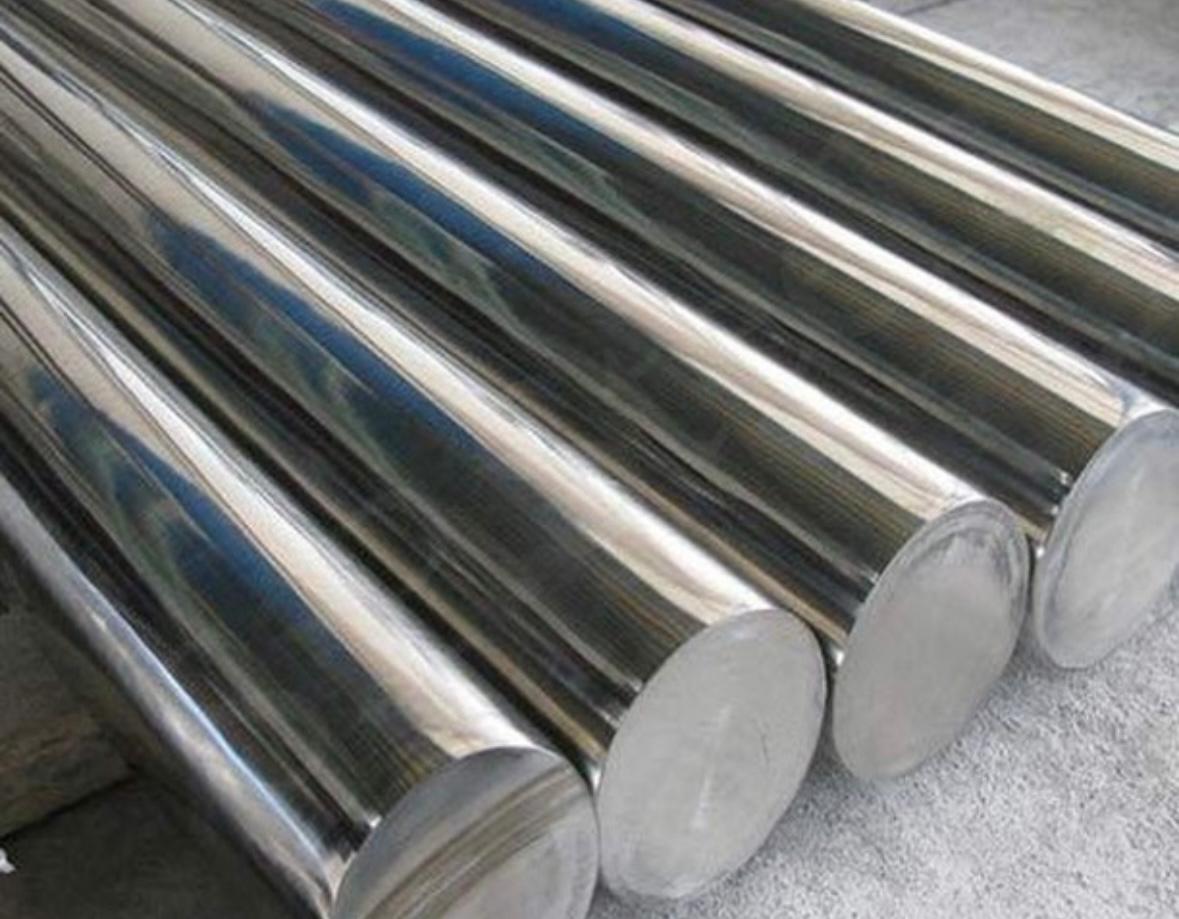
In addition, SS Alloy can supply D2 in rounds, flats, plates, blocks and custom-cut sizes based on availability.
Also, our team can provide material certificate and inspection support as applicable to the order.
Finally, we serve die makers, tool rooms and engineering companies across Mumbai, Maharashtra and India.
For technical buying decisions, always check the project drawing, MTC and heat treatment plan. In addition, these external references can help buyers understand D2 tool steel standards and general material data. However, the project specification and supplied MTC remain the final reference.
First, ASTM A681 covers wrought alloy tool steel products used for tools, dies and fixtures. You can review the standard listing on the ASTM International website.
In addition, for background on D2 as a high-carbon, high-chromium cold work grade, compare buyer notes with this ASM International D2 alloy digest page.
These answers help buyers understand where D2 tool steel fits and how it compares with other grades. In addition, they explain the information SS Alloy needs to prepare a correct quotation.
Generally, tool rooms use D2 tool steel for cold work tooling such as blanking dies, punches, shear blades, slitting cutters, drawing dies, gauges and wear plates. Therefore, it suits many abrasive-wear applications.
Yes, D2 is the AISI designation. In addition, buyers use DIN 1.2379 and JIS SKD11 as common equivalent references. However, the exact standard should be confirmed on the order documents.
No. Although D2 contains high chromium, it is a tool steel, not stainless steel. Therefore, buyers should protect it from moisture and corrosion during storage. In addition, suitable surface protection can reduce corrosion risk.
Choose D2 for cold work tools that need high wear resistance. In contrast, choose H13 for hot work tools that face heat, die casting or forging conditions. Therefore, application temperature is an important selection factor.
Yes. First, heat treaters harden D2 tool steel. Then, they temper it to achieve the required working hardness. Finally, the heat treatment cycle should follow the applicable specification.
Yes, SS Alloy can supply D2 tool steel with material test certificate and inspection documentation as applicable to the material source, grade and order requirement. Therefore, buyers should state documentation needs when requesting a quotation.
Send us your required D2 tool steel grade, size, form, quantity, condition and delivery location. Then, our team can check availability for round bars, flats, plates, blocks and cut-to-size D2 material. In addition, clear specifications help us assess the supply requirement.
Request D2 QuoteHave questions about our metal products or need a quotation? Send us a message and we will respond shortly.
ARIHANT LIFESCAPES, 106/1ST FLOOR, V.P ROAD,
PRARTHANA SAMAJ GIRGAON, MUMBAI - 400004
022 66362378 / 022 67436484
+91 9920148679 / +91 9321631821
jscmetalpurav@gmail.com
ssalloysales@gmail.com
Strategically located warehouses to ensure faster dispatch, better inventory management, and efficient delivery support.
147, SANT SENA MAHARAJ MARG
2ND KUMBHARWADA, GOEL DEVAL
MANDIR Mumbai 400004
1A, VELJI LAKHAMJI CHAWL,
HUTATMA DATTARAM BHAU KOYANDE MARG
MAZGAON, Maharashtra 400010
Plot No. 1824, Steel Market,
Kalamboli, Navi Mumbai – 410218